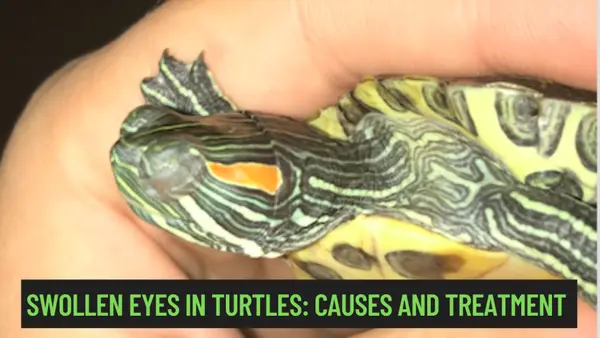
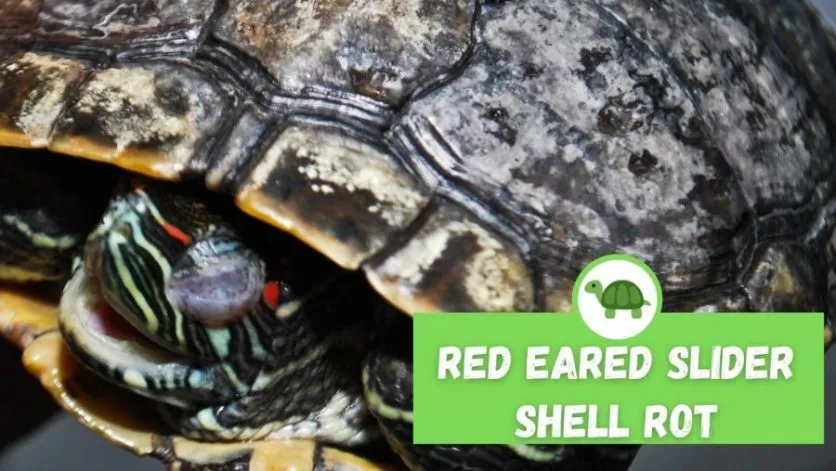
A new soft, pitted, bleeding, foul-smelling, or discharging area on a red-eared slider’s shell needs a reptile veterinarian’s assessment. “Shell rot” is a common description of shell disease, not a diagnosis you can confirm from a white patch or an online photograph.
Contact a clinic promptly rather than waiting to see whether a shell conditioner helps. Marked weakness, an open wound, a cracked shell after an accident, or changes in breathing make the call more urgent.
Shell changes worth recording
Look without picking or scraping. Note where the change is, when you first saw it, whether it is spreading, and whether the turtle is eating and behaving normally. Take a clear photograph in ordinary light so you can show the clinic the same area over time.
| Observation | What it can and cannot tell you |
|---|---|
| A pale patch or a changed surface color | Worth documenting; color alone does not prove infection. |
| A lifting surface scute | May need distinguishing from normal shedding. Do not pull it off to investigate. |
| A pit, wound, discharge, or unusual odor | Needs examination rather than a cosmetic shell product. |
| Shell changes together with poor appetite or unusual inactivity | Tell the veterinarian about both; the shell may not be the only concern. |
Normal shedding and disease can be confused. VCA’s guide to aquatic-turtle problems describes shell concerns and shedding. Use it to understand the distinction, not to declare a damaged area harmless.
Why shell problems need more than a cream
Damage to the shell and unsuitable housing can contribute to disease. The organism involved and the depth of a lesion matter when choosing treatment. The Merck Veterinary Manual emphasizes identifying infection and correcting contributing husbandry problems together.
That is why “wet rot versus dry rot” is not a reliable home-treatment decision tree. Two patches that look similar in a photo may need different care. A moisturizer, fungal bath, or general antibacterial aquarium product cannot replace that assessment.
Before the appointment
- Photograph the affected area without peeling scutes, scrubbing wounds, or repeatedly pressing the shell.
- List the foods, supplements, lamps, and products currently used.
- Record water-test results, water and basking temperatures, and the date of recent maintenance.
- Check for abrasive edges, unstable decorations, or aggression from another turtle.
- Ask the clinic how to house and transport your slider until it is seen.
Red-eared sliders are aquatic turtles that also need access to a suitable dry basking area. Do not interpret that requirement as an instruction to keep a sick slider out of water continuously until its shell heals. Any temporary dry-docking plan should come from the treating veterinarian and include the details for that animal.
What treatment may involve
The clinician will assess the shell and the turtle as a whole and decide whether sampling, imaging, wound care, or medication is appropriate. Ask for written instructions, including what to apply, what not to apply, and when to return. Do not cut away damaged tissue or copy medication doses from another turtle’s case.
At follow-up, bring your photographs and notes. Ask which signs indicate healing and whether swimming, basking access, or housing arrangements need to change. A surface that looks better does not by itself tell you when prescribed care should end.
A practical slider habitat check
Check that the dock is stable, reachable, and large enough for your slider to get fully out of the water. Check heating and UVB as separate needs using the actual lamp instructions and measured conditions. Keep a maintenance record rather than judging water only by its clarity.
Use the basking-light guide for equipment checks and the cleaning schedule guide for routine upkeep. Good housing supports care; it does not guarantee that shell disease will never happen or treat an existing infection on its own.