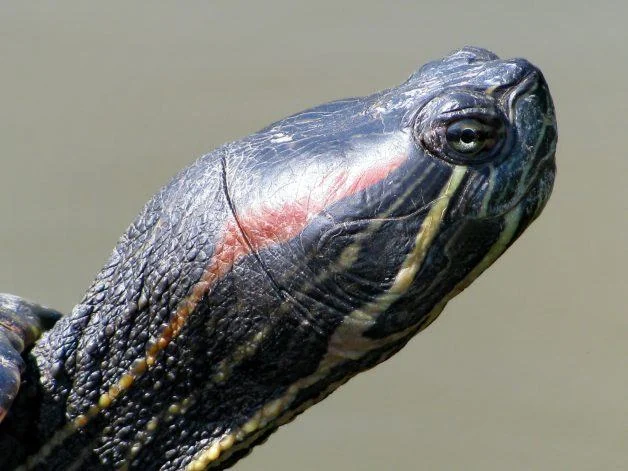
 Species
Red-eared Slider Age Chart: What Size Can Tell You
A red-eared slider’s size and shell rings do not reveal an exact age. Learn how records and development help describe its broad life stage.

Explore TurtleHolic articles on red-eared sliders, including care, food, habitats, and life beneath the shell.
SpeciesA red-eared slider’s size and shell rings do not reveal an exact age. Learn how records and development help describe its broad life stage.
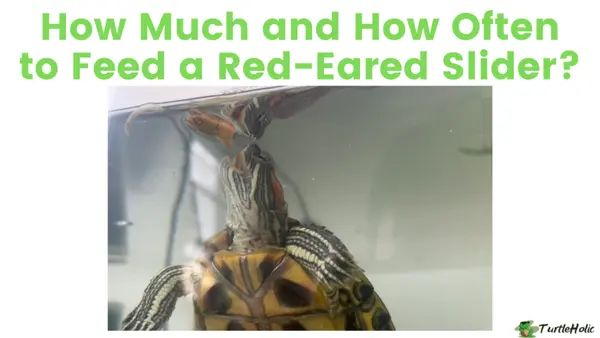 Food & nutrition
Depending on the age of your red-eared slider, you will need to either feed them twice a day, once a day, or every other day.
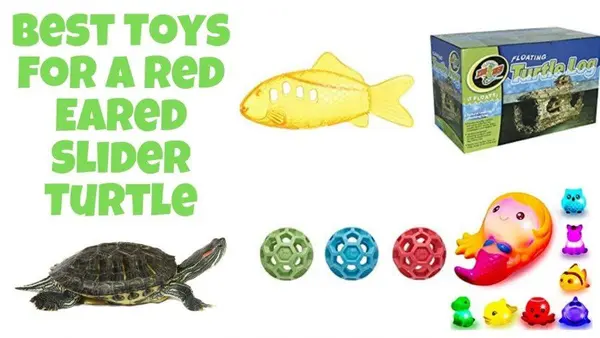 Habitat & gear
The best toys for a red-eared slider are the turtle skateboard, a floating turtle feeder, floating logs, roller balls, and bath toys.
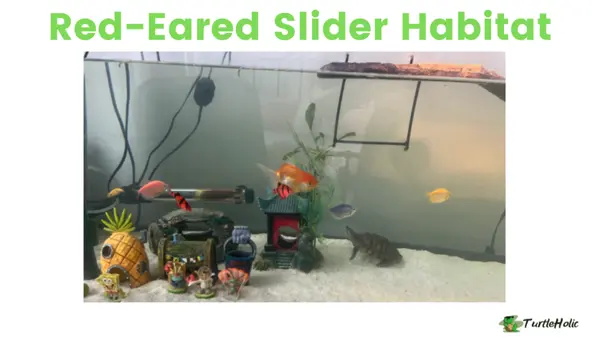 Habitat & gear
The main things you need for a red-eared slider habitat is a tank, clean water, basking platform and light, and a substrate.
 Food & nutrition
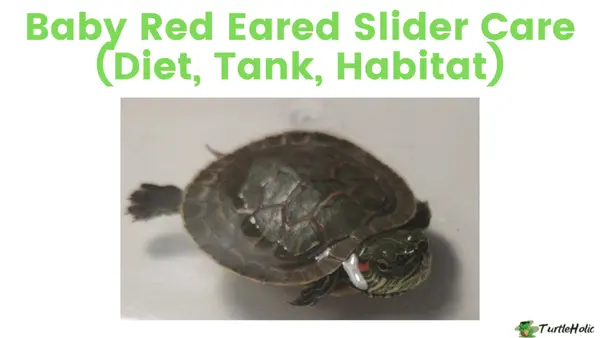
The key to caring for a baby red-eared slider is providing the right diet, temperature, tank, filter, and basking platform.
 Habitat & gear
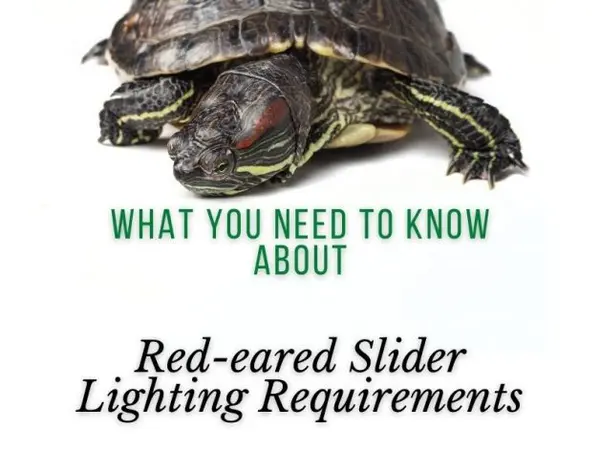
Unless your slider is in an outdoor pond, it will need artificial light. This is what you need to know about red-eared slider lighting requirements.
 Habitat & gear
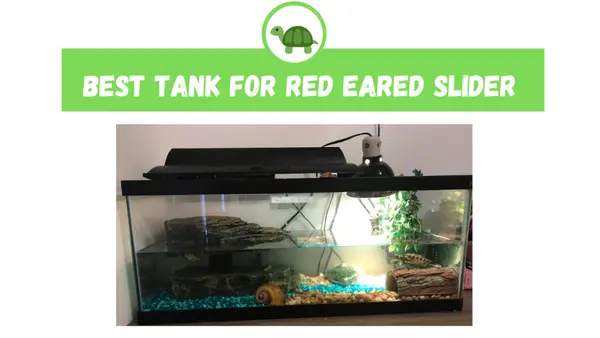
The best tank for your Red-Eared Slider is the Aqueon glass tank. It comes in a wide range of sizes, and is very affordable.
 Health & behavior
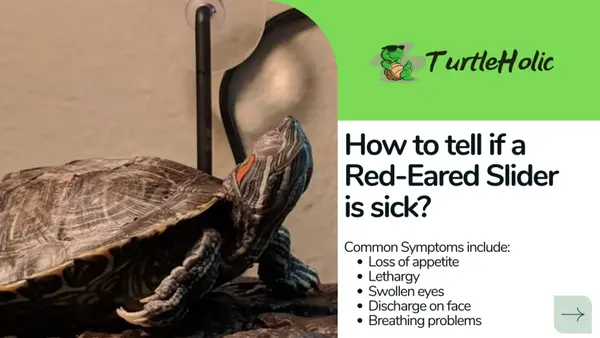
The most common signs that a red-eared slider is sick are loss of appetite, lethargy, swollen eyes, discharge on the face, diarrhea, breathing problems, and any other big changes in behavior.
 Species
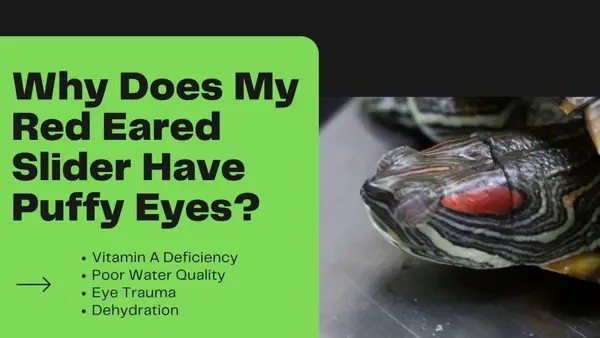
The most common reasons that cause a red eared slider to have puffy eyes are vitamin A deficiency, poor water quality, eye trauma, and dehydration.
 Habitat & gear
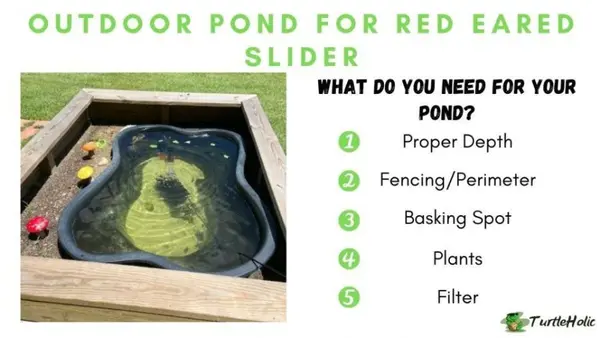
An outdoor pond for a red-eared slider should have an appropriate depth, a fence around it, a basking spot, some land space, plants, and some shade.