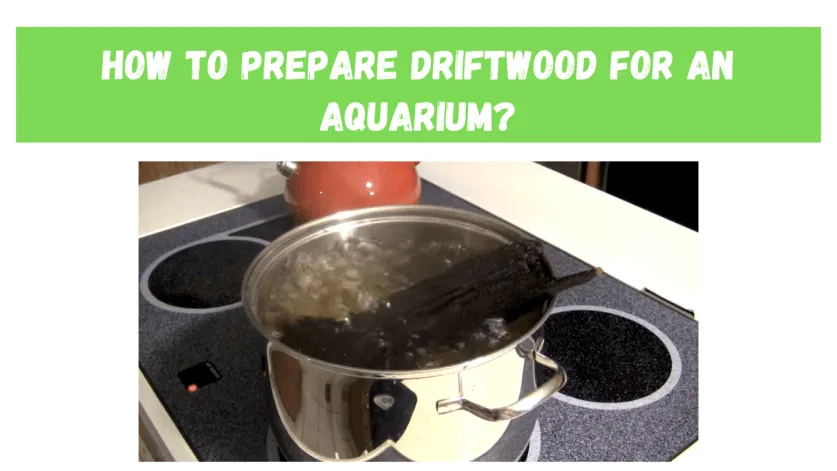
Start with wood sold as suitable for aquarium use and follow the supplier’s preparation instructions. Unknown, chemically treated, painted, or contaminated wood should not go into the enclosure. Preparation does not turn every found piece of wood into safe aquarium décor.
Inspect and clean
Check for rough areas, sharp points, loose debris, and a shape that could trap an animal. Rinse and clean according to the supplier’s guidance. Do not use soap or an arbitrary dose of a household disinfectant. Decide how the piece will sit securely before adding it.
Soak separately
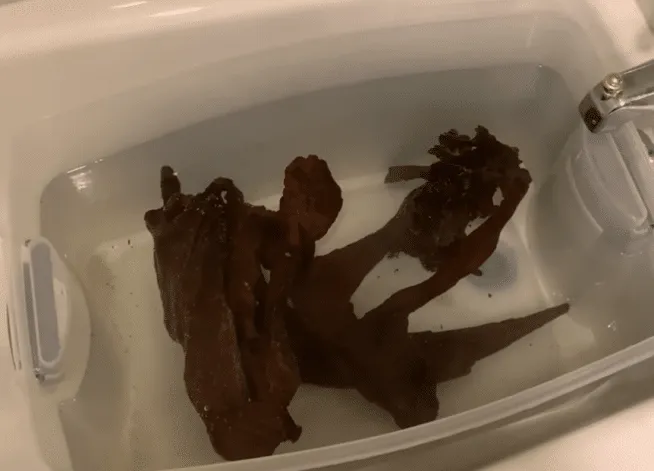
If the supplier recommends soaking, use a separate suitable container and observe the wood before putting it in the inhabited tank. Some wood floats initially and releases tannins. The time required varies; a single soaking schedule does not cover every species or size of wood.
Do you need peroxide or boiling?
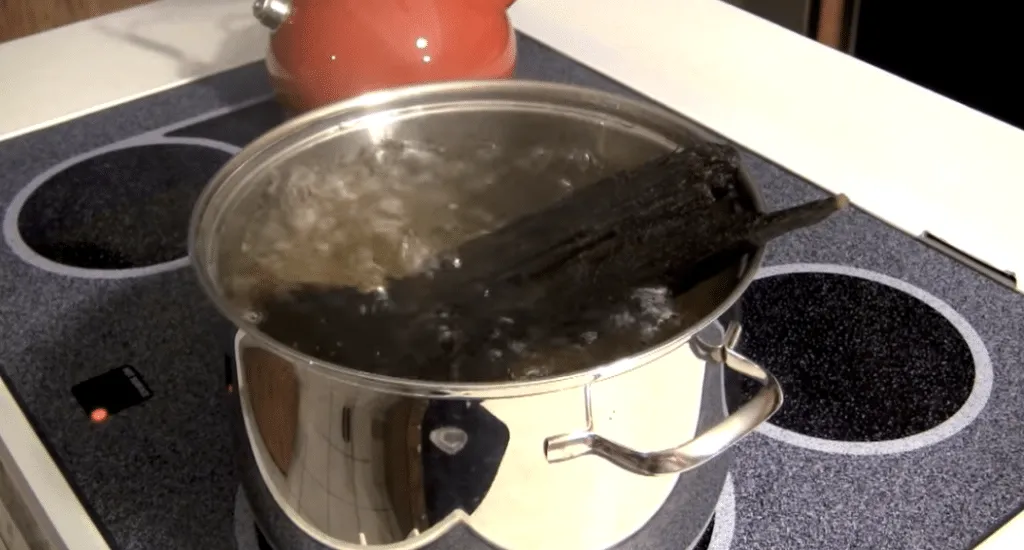
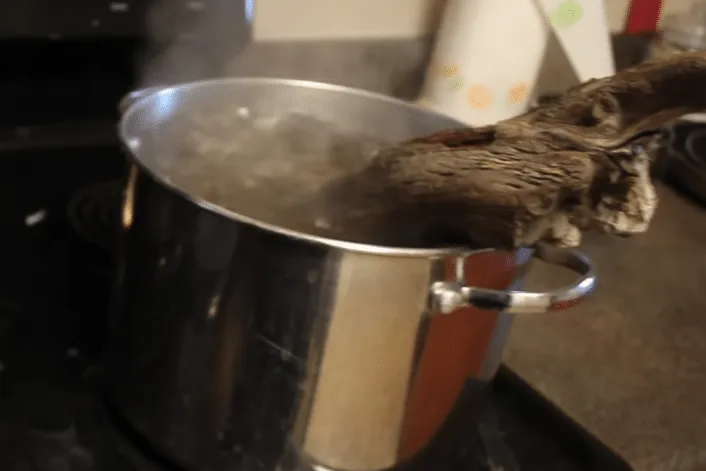
The previous instruction to add any amount of hydrogen peroxide has been removed. Chemical breakdown alone does not verify that porous wood is ready for an animal enclosure. Use a supplier’s specific procedure rather than improvising concentration, contact time, rinsing, or boiling. Handle hot water only with suitable equipment and do not assume boiling makes unknown wood safe.
Brown water and tannins
Driftwood can release tannins that color water. Brown water is not proof of contamination—or of successful disinfection. Monitor water conditions and use guidance appropriate to the aquarium and its animals; do not assume that filtration removes every concern within a day or two.
Place it safely
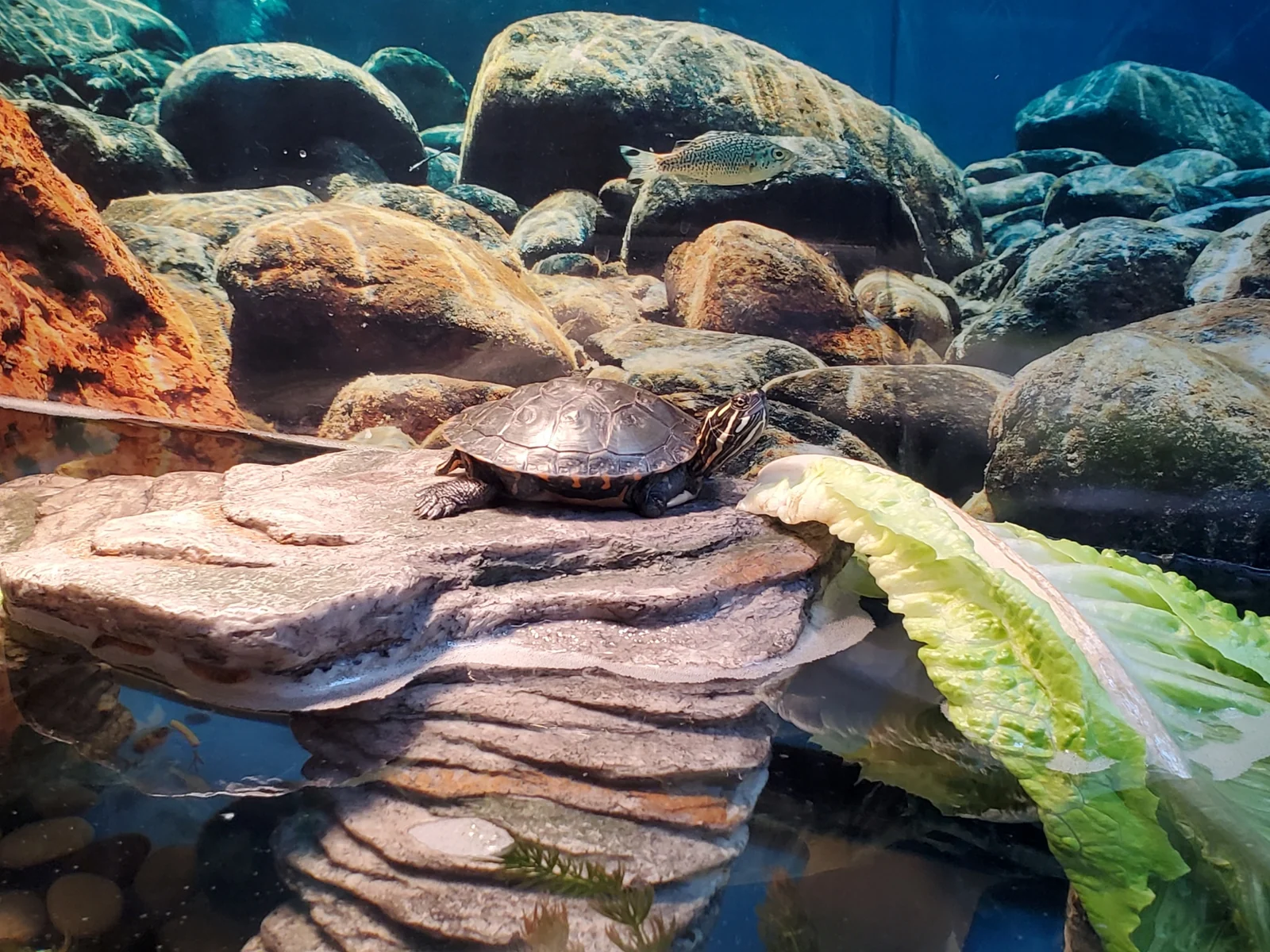
Keep access to the surface and basking area clear. Check that the piece cannot fall, pinch the turtle, or create a narrow trapping gap. See Tank Studio for layout inspiration, while verifying the dimensions and materials of real décor.