
A turtle’s purchase price is only the starting point. Plan for the enclosure, heating, UVB lighting, filtration if it is an aquatic species, and ongoing care before you bring one home. A low adoption fee does not make the whole setup inexpensive: the two equipment examples below alone add up to $289.98, before a filter, heating, supplies, or veterinary care.
I’m TurtleHolic. I share my turtle setups and care routines here and on YouTube. In this guide, I’ll help you build a budget you can actually use, with separate numbers for bringing a turtle home and keeping it well cared for afterward.
How much does a turtle cost to buy or adopt?
Start with the species and the animal’s expected adult size, then get a current purchase or adoption quote. A slider, a box turtle, and a tortoise do not need interchangeable homes. Transport, permits where required, and the condition of any included equipment can also change the total.
Adoption is worth considering. For example, Central Mississippi Turtle Rescue says it does not charge an adoption fee, while Humane Animal Rescue of Pittsburgh lists a $10 turtle adoption fee. These are individual organizations’ policies checked November 3, 2026, not a national price range or a promise that a particular turtle is available.
A free turtle still needs a complete home. Before agreeing to take one, ask for its species, shell length, known health history, diet, and photos of the equipment that comes with it. If a tank or filter will need replacing immediately, include that in your starting budget.
The equipment budget: what to price before buying
For an aquatic turtle, write down the intended water volume and adult enclosure dimensions. For a terrestrial box turtle, measure usable floor space instead. Then price the complete setup, including the small items that are easy to miss.
| Expense | Aquatic turtle | Terrestrial box turtle |
|---|---|---|
| Enclosure and support | Tank or suitable tub, secure basking arrangement, safe support and escape prevention | Spacious land enclosure, secure walls, moisture-resistant construction |
| Heat and light | Appropriate UVB, basking heat, fixtures, timers, temperature monitoring; water heating if needed | Appropriate UVB, basking heat, fixtures, timers, temperature and humidity monitoring |
| Inside the habitat | Stable dry basking area, safe access and suitable furnishings | Burrowing substrate, hides, shallow water dish and furnishings |
| Water and cleaning | Filter and media, water tests, conditioner, dedicated siphon and bucket | Dedicated cleaning tools, replacement substrate and dishes |
| Animal and care | Purchase or adoption, transport, appropriate food, and a reptile-vet appointment and emergency plan | |
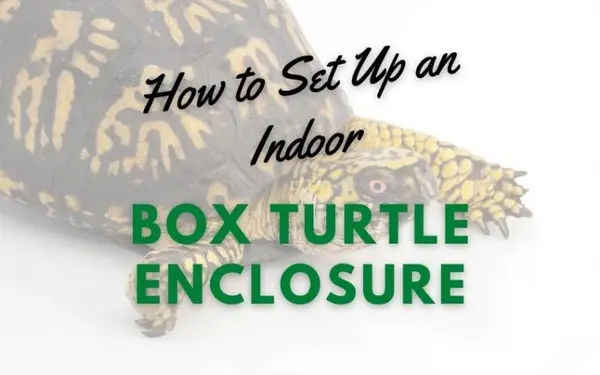
Do not treat a starter kit as a complete budget until you have checked each component. A kit can include a lamp fixture without the UVB lamp you need, or a small filter you will soon replace. Our indoor box-turtle enclosure guide and turtle filter guide explain those choices in more detail.
Two dated U.S. price examples
| Item and source | Displayed price | What this number does not include |
|---|---|---|
| Rubbermaid BRUTE 120-gallon low-profile stock tank, Tractor Supply | $209.99 | Filtration, a basking area, escape prevention, lighting, heating and other habitat equipment |
| Zoo Med ReptiSun T5 HO 24-inch hood with 10.0 bulb, Petco | $79.99 | A separate heat source and any mounting equipment needed for your installation |
| These two items only | $289.98 | Not a complete setup price |
Prices checked November 3, 2026, before tax and delivery. The Tractor Supply page was showing the Franklin, Tennessee area; local prices and promotions can differ. These are cost examples, not a recommendation to buy this pair for every turtle. Stock-tank dimensions, water depth, lamp strength and mounting distance must suit the animal and the finished enclosure.
What does a turtle cost each month?
Food is not the only recurring expense. Keep a monthly line for food and electricity, plus a reserve for equipment, bulb replacement and veterinary care. Some costs arrive irregularly, so dividing a realistic annual estimate by 12 gives a more useful monthly budget than looking at this month’s receipts alone.
- Food: price the actual diet for your species, including fresh foods or feeder insects where appropriate. Account for food that spoils before you use it.
- Electricity: include filters, lighting and heaters. A heater’s electricity use changes with room temperature and how often its thermostat turns it on.
- Replacements: list UVB lamps, test-kit reagents, conditioner, worn filter parts and substrate. Follow the relevant equipment instructions rather than replacing every item on the same calendar.
- Veterinary care: ask a local reptile practice about routine appointments, diagnostic tests and emergency access. A small monthly allowance is not a guarantee that it will cover an unexpected bill.
- Care while you are away: include a capable sitter, transport or boarding if you will need it.
An electricity example you can recalculate
Use watts ÷ 1,000 × hours used per day × days × your electricity rate. The following is an arithmetic example, not my household bill or a recommended lighting schedule.
| Assumed equipment use | Energy over 30 days |
|---|---|
| 30-watt filter, 24 hours a day | 21.60 kWh |
| 75-watt heat lamp, 10 hours a day | 22.50 kWh |
| 24-watt UVB fixture, 12 hours a day | 8.64 kWh |
| Total | 52.74 kWh |
At an assumed $0.20 per kWh, that is $10.55 for 30 days, rounded. This excludes a water heater, room heating and every other ownership expense. Substitute your equipment’s measured use and your utility rate; a plug-in energy meter can help with equipment that cycles on and off.
Work out your first-year total
Make four subtotals: animal and transport; complete habitat; 12 months of routine running costs; and planned veterinary care plus an emergency reserve. Add them together before deciding whether the commitment fits your budget. Keep the reserve separate from money already spent.
Ask the seller or rescue what adult enclosure the animal will need. Buying a small setup and replacing it soon afterward can make a cheap start expensive. Likewise, secondhand equipment only saves money if it is sound, suitable and complete. Check tank seams, fixture ratings, filter seals and replacement-part availability before handing over money.
Where should you get your turtle?
Start with a reputable rescue or a seller who can explain the animal’s origin and needs. I have not personally bought a turtle online, so I cannot offer a firsthand recommendation for an online animal seller. Ask about legal availability in your location rather than assuming a listing means the species can be kept everywhere.
A U.S. rule to know before shopping
The FDA generally prohibits selling turtles with shells under four inches long as pets because of the risk of Salmonella. This is a public-health rule, not a claim that larger turtles cannot carry the bacteria. See the FDA’s turtle-safety guidance for the rule and its context.
Watch my turtle-cost video
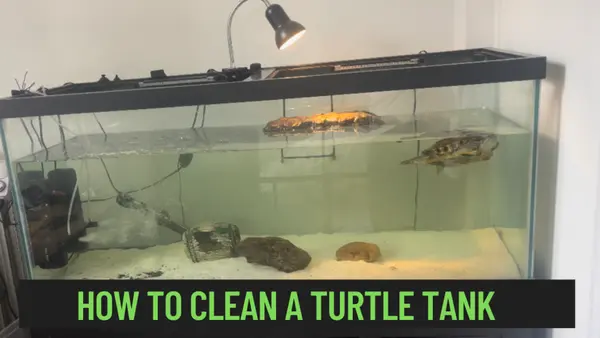
Watch my turtle-cost and setup video on YouTube. It accompanies the equipment discussion; use current quotes and the worksheet above for your budget rather than treating older prices in a video as today’s prices.
Before you bring a turtle home, have the habitat ready and a plan for the expenses after day one. That gives you time to enjoy the turtle instead of scrambling to buy the missing pieces.