Healthy turtle food depends on the species and its life stage—not just the brand on the tub. For commonly kept omnivorous aquatic turtles, a feeding plan can include an appropriate formulated pellet, suitable greens and other foods chosen for that species. Tortoises, box turtles and more carnivorous aquatic turtles need different plans.
This guide helps you choose and evaluate those foods. It is not a ranking of the “healthiest” brands or a treatment plan for a turtle that has stopped eating. For appetite loss, start with what to check when a turtle will not eat.
Start with the species and age
The Royal Veterinary College’s terrapin feeding guidance distinguishes growing animals from adults and notes that softshells remain more carnivorous, while adult red-eared sliders eat more plant material. That is why one pellet/vegetable percentage cannot cover every turtle.
Write a feeding plan for the animal you have: species, life stage, staple foods, other foods, portions and frequency. Check that plan with a reptile veterinarian if you are uncertain. “A varied diet” should mean a suitable range that is actually eaten, not an unlimited assortment of snacks.
| Food category | What to check | Common mistake |
|---|---|---|
| Formulated pellets | Species/life-stage label, pellet size, storage and expiry information | Assuming all tubs from the same brand contain the same formula |
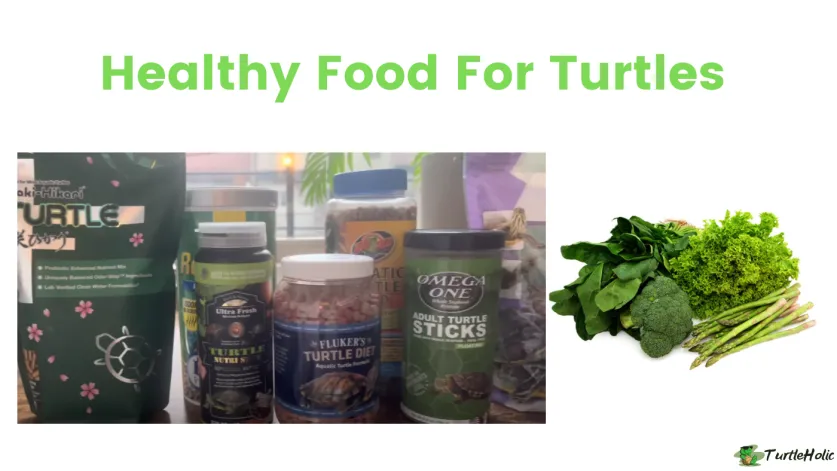
| Greens and other plant foods | Identification, suitability for the species and what the turtle eats | Treating a produce photograph as a complete diet |
| Animal foods | Whether the species needs them and how they fit the overall diet | Making dried shrimp or feeder fish the automatic answer to every feeding problem |
| Supplements | The existing diet, UVB setup and individualized veterinary advice | Adding several products without checking what is already in the food |
How to choose a pellet
Start with the exact product, not a brand-wide claim. Compare the intended animal and life stage, feeding directions, ingredients, guaranteed analysis and whether the food is presented as a complete feed or a treat. Check the current container; labels and formulations can change.
Pellet size matters in a practical way, too: can your turtle comfortably take it, and are you able to see how much was eaten? Record that response separately from the label information. Enthusiastic eating is useful to observe, but it does not establish nutritional superiority.
My experience with Zoo Med
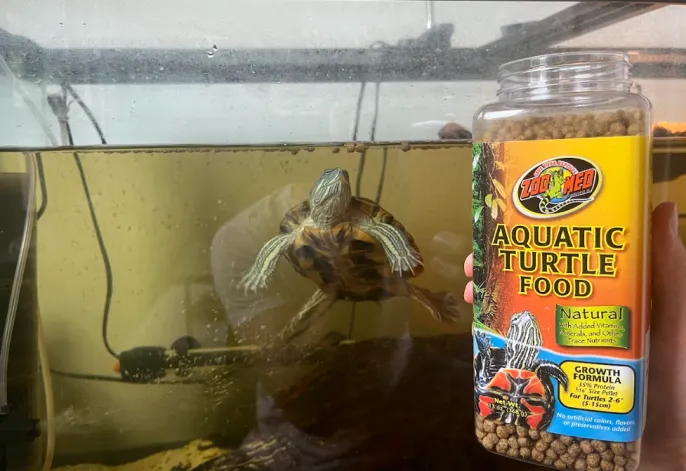
Zoo Med pellets were a favorite with my turtles in the experience documented in this article. That is why they appear here. I did not run a controlled nutrition trial comparing brands, and I would not use my turtles’ preference to promise the best health outcome for yours.
Zoo Med sells different Hatchling, Growth and Maintenance formulas. Its Maintenance product page describes that formula as intended for adult aquatic turtles. Match the current formula to the animal rather than buying from the photo alone.
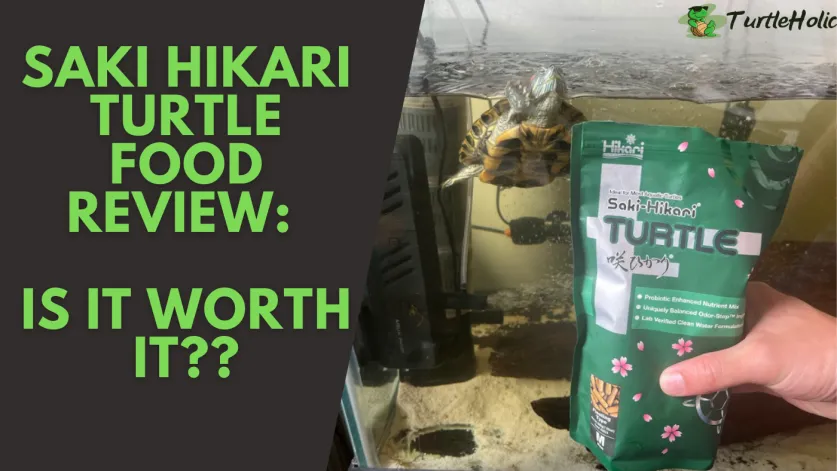
For another documented feeding experience, see my Saki-Hikari review. It separates what I observed from the manufacturer’s claims, including a water-clarity benefit I did not see.
Comparing other products
You do not need to buy three pellet brands just to make a diet varied. Compare products for a clear reason: a suitable formula, a manageable pellet size or another practical need. If you switch, note the exact product and how much the turtle eats. Avoid changing several foods and supplements simultaneously, which makes the result difficult to interpret.
Greens, plants and other foods
For red-eared sliders, VCA lists suitable leafy choices such as romaine, collard, mustard, dandelion and turnip greens. Iceberg lettuce offers little nutritional value. Identify any plant before feeding it and avoid material exposed to pesticides or other contamination.
Use that list as a starting point for the relevant species, not permission to feed any green leaf to any turtle. The aquarium-plant guide explains practical planting choices; food selection and enclosure decoration still need to be checked separately.
VCA also cautions that feeder fish can carry parasites and bacteria. I would not add them on a fixed weekly schedule simply because an older list calls them healthy. A preferred treat should not displace the rest of a suitable diet.
Vitamins, calcium and supplements
Vitamin D helps with calcium absorption; it does not make the turtle “synthesize calcium.” Diet and appropriate UVB exposure work together. Merck’s reptile-diet guidance explains why species-specific nutrition and expert advice matter.
Do not diagnose a deficiency from a food list or an eye photograph. If your turtle has appetite loss, swollen eyes or other signs of illness, contact a reptile veterinarian. A carrot soak is not a substitute for an examination or a balanced diet. Bring the food labels and details of the UVB setup so the vet can assess the whole picture before recommending supplements.
Make the plan easy to follow
- Keep the label: save the exact formula and opening date, and follow its storage directions.
- Record meals: note the food, portion offered and what was actually eaten.
- Track changes: note appetite or behavior changes rather than assuming begging always means hunger.
- Keep the water clean: remove uneaten food and include feeding debris in the maintenance routine.
- Review the plan: revisit it as the turtle grows or when your vet identifies a health concern.
What to do next
Choose the diet for your turtle first, then choose products that fit it. Use the portion and feeding-frequency guide to turn those choices into a routine. You will get more useful information from a clear feeding record than from buying every food labeled “premium.”