Most North American box turtles need a secure land enclosure with room to explore, appropriate warmth and UVB, places to hide, and water they can enter and leave safely. They are not simply small aquatic turtles, and a generic aquarium setup is not a care plan.
Before buying equipment, find out which box turtle you have. That sounds obvious, but it changes the questions you need to ask about moisture, substrate and the enclosure. “Box turtle” is a starting point, not a complete identification.
Which box turtle are we talking about?
This introduction concerns North American box turtles in the genus Terrapene. Other turtles around the world also have “box turtle” in their common name. Do not apply this guide to an unidentified animal just because a seller used that label.
| Turtle | Natural-history distinction | What that means when planning care |
|---|---|---|
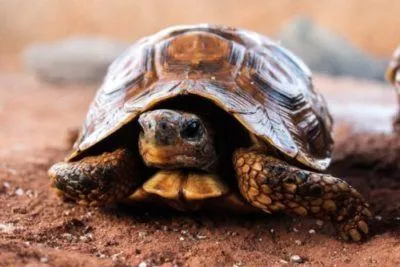
| Eastern box turtle, Terrapene carolina carolina | Associated with woodland, edges and moist cover | Plan usable cover, appropriate moisture and a substrate the animal can work into. |
| Ornate box turtle, Terrapene ornata | A distinct species associated with prairie and grassland habitats | Use ornate-specific guidance rather than copying a woodland enclosure or assuming a dry habitat means no moist refuge. |
These distinctions come from the Smithsonian’s eastern box turtle account and the IUCN specialist group’s ornate box turtle account. The table is not an exhaustive species list.
Identification comes before shopping
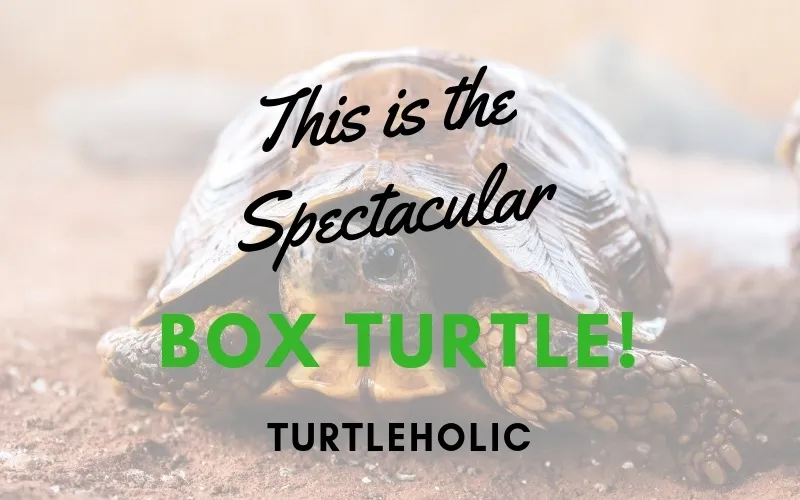
Ask for the scientific name, where the animal came from, its previous care records and any veterinary history. Photographs can help an experienced identifier, but one eye color or shell marking is not a reliable way to answer every question about species, sex or age.
A turtle’s shell is part of its body. Do not force it open or pull at tucked limbs to get a better look. If you need help identifying an animal, arrange clear, minimally disruptive photographs and ask a reptile veterinarian or reputable turtle organization.
Think about the ground, not just the tank
For a terrestrial box turtle, useful floor space, cover and substrate matter more than a tall glass box. Plan where it can walk, hide, dig and choose between conditions. A single open space under one lamp does not give it many options.
Moisture is part of that layout. Measure the conditions and use species-specific guidance. A damp hide, the general enclosure and the water dish are different things; spraying everything on a fixed schedule without checking the result can miss what the turtle actually needs.
Indoor or outdoor enclosure?
Start with your climate, available space and the species. A suitable outdoor enclosure needs planning for weather, escape and predators. Being outdoors does not automatically make an enclosure safe. Indoors, you must deliberately provide and monitor the conditions that the animal needs.
- Space and access: enough usable floor area for movement, with equipment you can reach to maintain.
- Retreats: secure hiding places and suitable digging substrate, with no pesticide or fertilizer exposure.
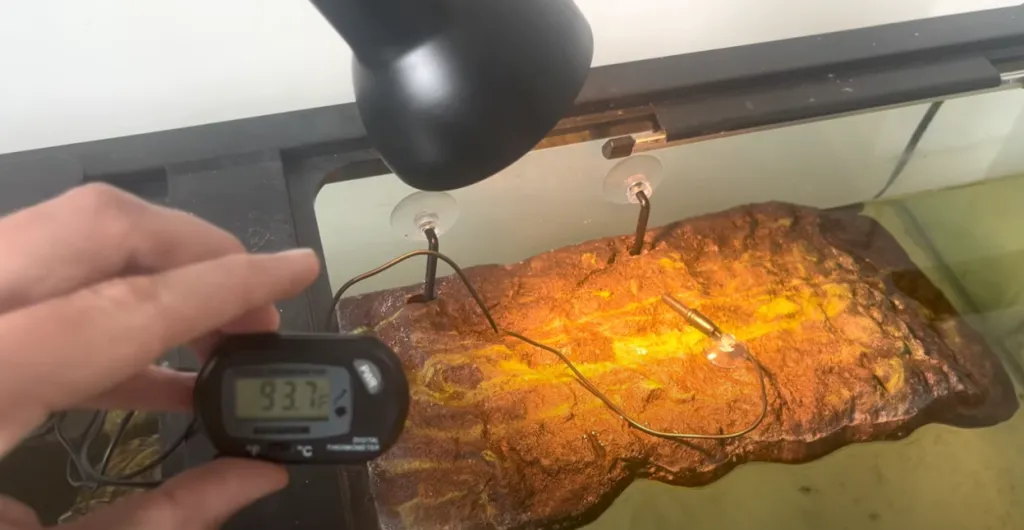
- Heat and UVB: an appropriate gradient and installation, checked at the animal’s level.
- Water: a stable dish that the individual turtle can enter, stand in and exit easily.
- Security: barriers designed around climbing, digging, predators and other pets.
VCA’s housing guidance covers these enclosure considerations. For a fuller indoor plan, use my indoor box-turtle enclosure guide.
Do not choose water depth from a blanket “two inches” rule. A hatchling, an adult and an animal with mobility problems will not negotiate the same dish equally well. Watch the individual enter and leave, and get specific advice when health or mobility changes. A soaking dish is not a reason to give a terrestrial turtle a deep swimming aquarium.
What should a box turtle eat?
Box turtles are omnivorous, but identifying that broad diet type does not create a complete menu. Species, age, health and the rest of the care plan influence the balance. Ask for a specific feeding plan rather than offering whatever the turtle chooses from a bowl and assuming that preference creates balance.
Use appropriately sourced foods and a suitable feeding surface, remove leftovers and keep drinking water clean. Do not copy every wild food mentioned in a natural-history article; wild mushrooms and unidentified plants are not sensible shopping suggestions.
Write down what you offer and what is eaten. That record is more useful when seeking help than “it eats a little of everything.” Persistent appetite changes, weight loss or difficulty moving deserve a reptile-veterinary assessment rather than repeated changes of treat food.
Before you bring one home
Find a responsible captive-bred source or rescue and check the rules that apply where you live. Seeing a box turtle outside does not make it an available pet. Keep wild animals in the wild and seek local wildlife guidance for injured animals.
Arrange a veterinarian and plan the adult enclosure, ongoing costs and care during travel. Do not assume that an animal’s small size makes the commitment small. If you already keep another turtle, get advice about separate housing and quarantine before introducing a newcomer.
A new keeper does not need to memorize every box-turtle fact before starting. But you do need the species identified, the enclosure working and someone qualified to contact when a care question becomes a health concern. Those are the decisions I would settle before buying decorations.
Next, read the indoor enclosure guide and the ownership-cost guide to turn that plan into something practical.