 Habitat & gear
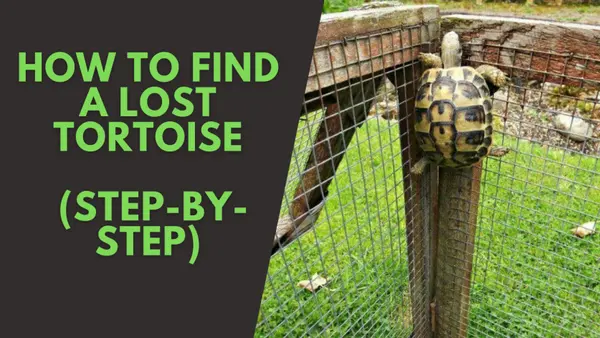
How to Find a Lost Tortoise (step-by-step)
To find a lost tortoise, you must scan every inch of their enclosure looking for signs of digging. If you confirm your tortoise escaped, try to find the point of exit.

These articles cover everything you need to know about caring for tortoises.
Habitat & gearTo find a lost tortoise, you must scan every inch of their enclosure looking for signs of digging. If you confirm your tortoise escaped, try to find the point of exit.
 Habitat & gear
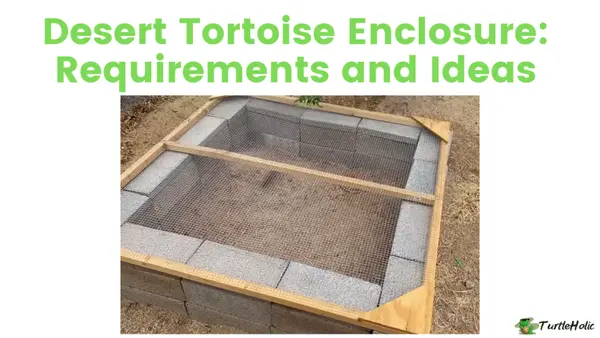
For a Desert Tortoise enclosure, you will need a lot of open space, loose dirt, shade, a water bowl, and most importantly a burrow.
 Species
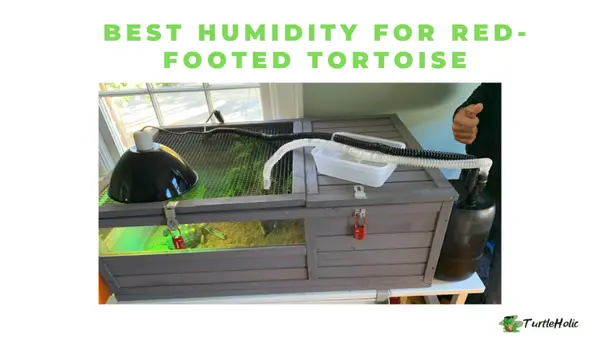
The recommended humidity level for Red-Footed Tortoises is 70-80%, which is higher than normal air humidity (30%-50%).
 Food & nutrition
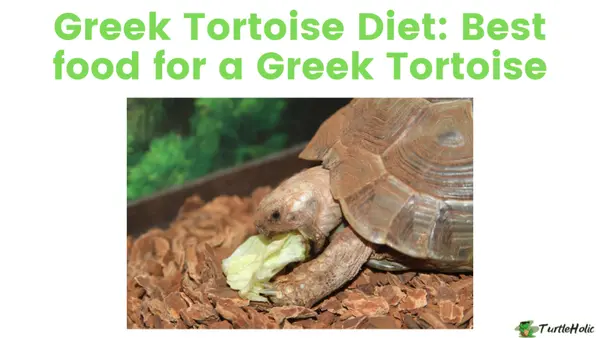
The best food for a Greek tortoise is dark, leafy vegetables. You can also feed them other types of vegetables as well as pellets and some fruit.
 Food & nutrition
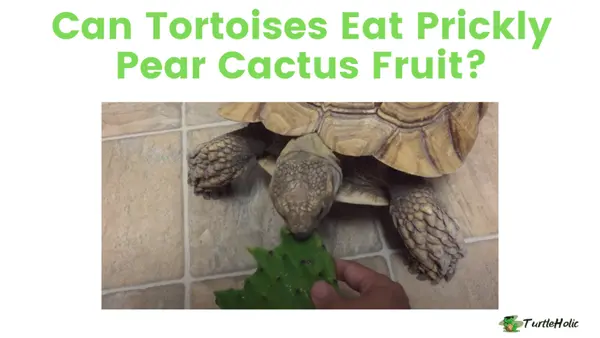
Yes, tortoises can eat prickly pear cactus. You can feed them both the pad and the fruit that grows on top.
 Food & nutrition
The best food for Sulcata Tortoises are grasses and hay, vegetables, fruits, commercial pet food, and occasional treats.
 Health & behavior
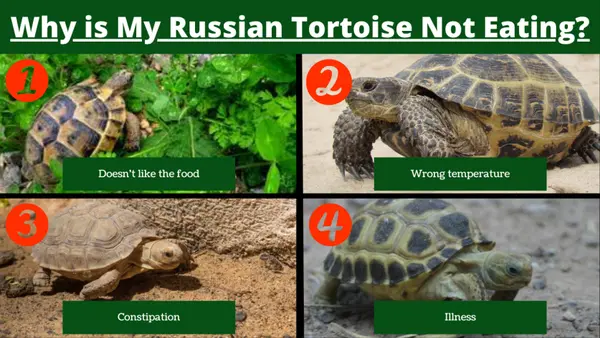
The main reasons your Russian tortoise is not eating is because they dislike their food, they are too cold, or they are constipated. They might also have a medical condition.
 Species
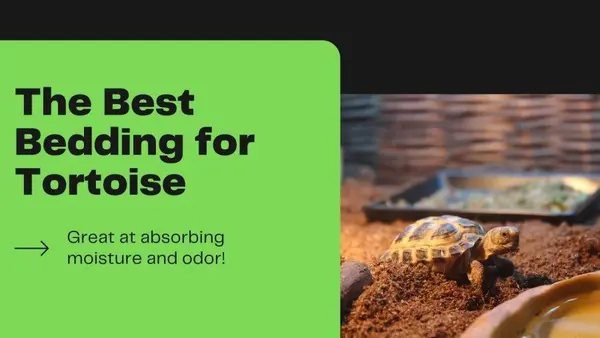
The best bedding for a tortoise is the Zoo Med Coconut Fiber, Reptichip, Zoo Med Forest Floor, Flucker Natural, and Coconut Carpet Substrate.
 Species
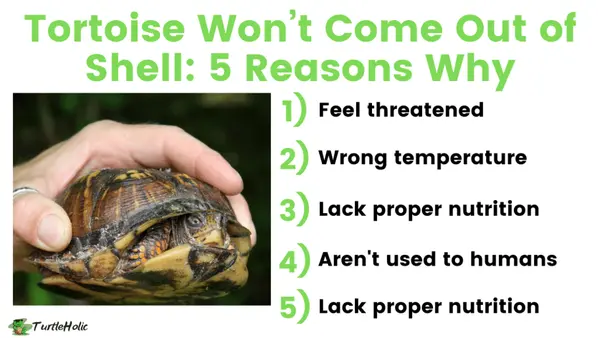
The main reasons tortoises don't come out of their shell is because they feel threatened, wrong temperatures, don't have proper diet, or aren't used to humans.
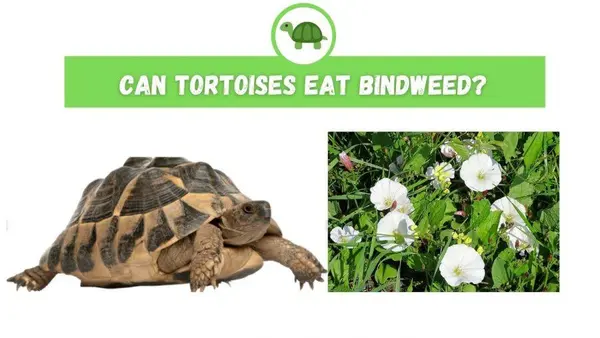 Food & nutrition
or tortoises, as long as it is fed in moderation! Bindweed is a favorite of most tortoises, and there are a few perks to giving it to your pet.