How to Tell if My Red-Eared Slider is Sick?
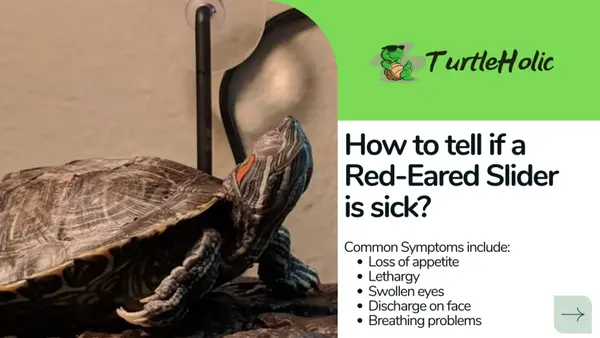
The most common signs that a red-eared slider is sick are loss of appetite, lethargy, swollen eyes, discharge on the face, diarrhea, breathing problems, and any other big changes in behavior.
A little more to explore. Browse the original TurtleHolic collection.
The most common signs that a red-eared slider is sick are loss of appetite, lethargy, swollen eyes, discharge on the face, diarrhea, breathing problems, and any other big changes in behavior.
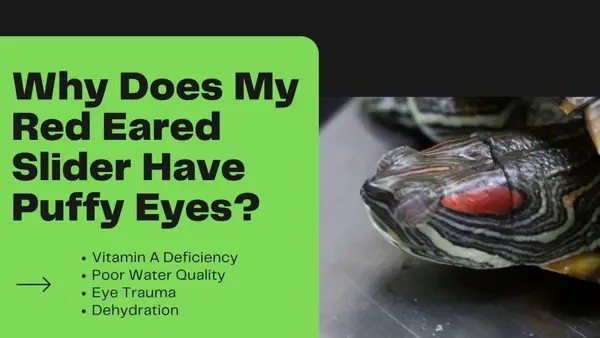
The most common reasons that cause a red eared slider to have puffy eyes are vitamin A deficiency, poor water quality, eye trauma, and dehydration.
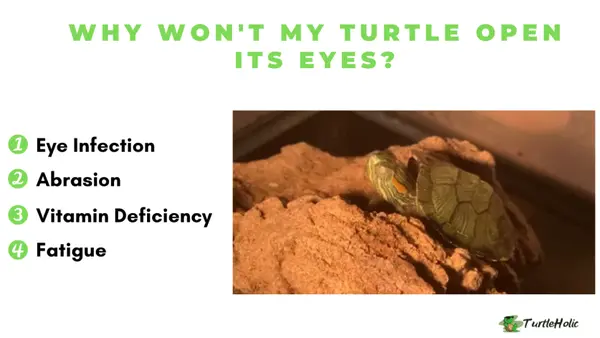
If your turtle has any sort of discharge in or around their eye, then your turtle won’t open their eyes because they have an eye infection.
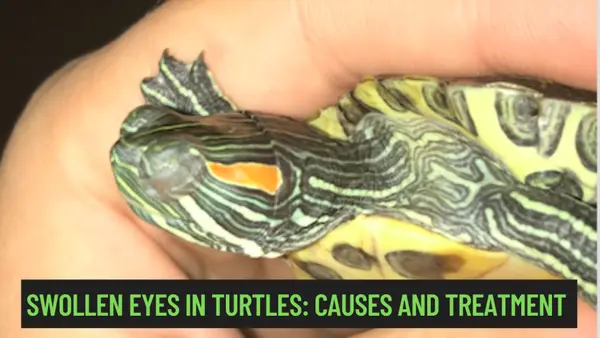
The three main causes of swollen eyes in turtles are vitamin A deficiency, eye infections, and respiratory infections.
The best thing to do if you find a turtle in your yard is to leave it on its own. Most turtles won't stay there longer than a day.
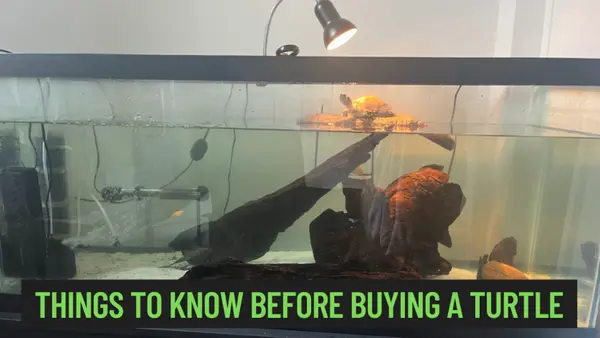
Before buying a turtle, you should know that they can be hard to house with fish, don’t love to be held, can be destructive, grow very fast, can be picky eaters, and live for a long time.
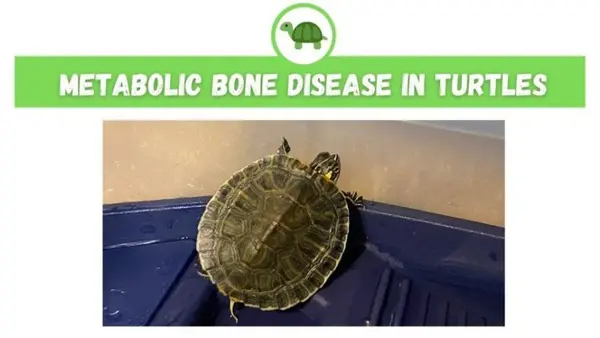
You can prevent Metabolic Bone Disease in turtles by providing your turtle with a balanced diet and the appropriate temperature and lighting.
The most popular turtle care mistakes are incorrect water levels, drowning hazards, feeding outside water, overfeeding, and incorrect temperature.
In both the wild and in captivity, big turtles eating smaller turtles is extremely rare. However, that doesn’t mean it never happens!
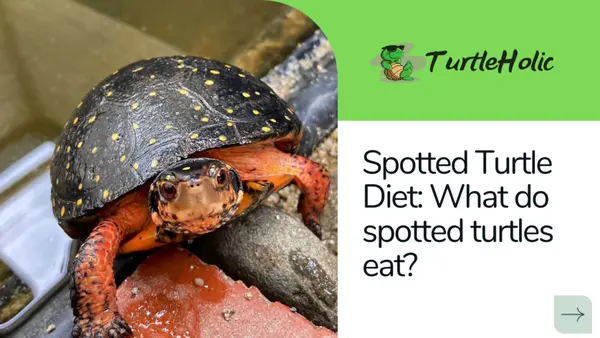
Spotted turtles are omnivores and feed on a wide range of insects, worms, aquatic plants, snails, and occasionally small fish.