 Habitat & gear
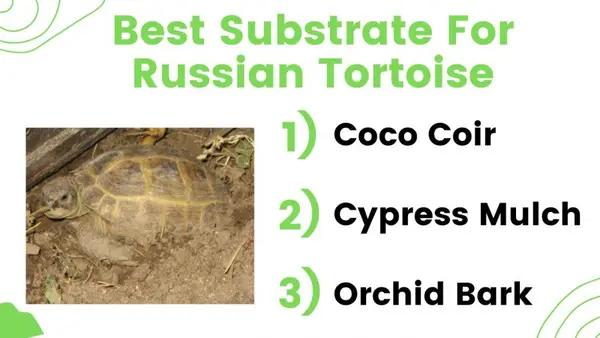
Best Substrate For Russian Tortoise: Top 3 Choices To Consider
The best substrate for Russian Tortoises includes Coco Coir, Orchid Bark, and Cypress Mulch. Generally, for little Russian Tortoises, the Coco Coir works the best.

Articles from the TurtleHolic archive.
Habitat & gearThe best substrate for Russian Tortoises includes Coco Coir, Orchid Bark, and Cypress Mulch. Generally, for little Russian Tortoises, the Coco Coir works the best.
 Habitat & gear
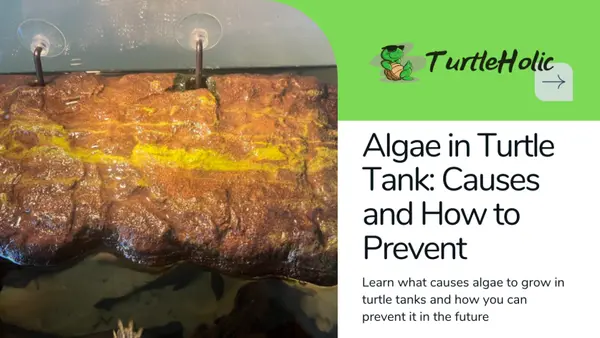
The main causes of algae growth in turtle tanks are excess light, dirty water, weak filter, warm temperatures, and overcrowding.
 Species
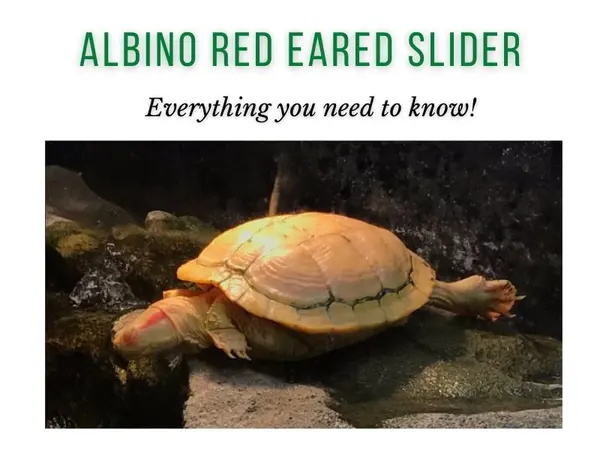
If you are lucky enough to get a Albino Red Eared Slider, you probably have a lot of questions. Here is a review of the most important facts
 Species
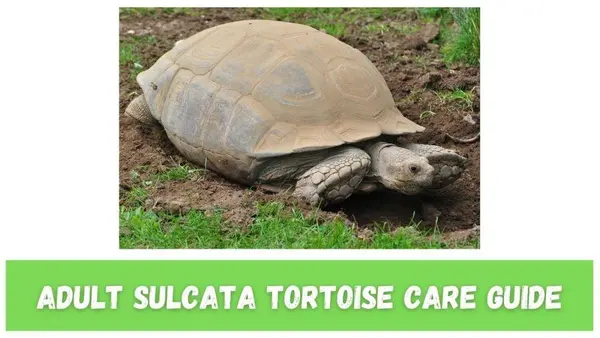
To care for an adult Sulcata Tortoise, you must have a large enclosure, access to water, good substrate, and the right temperature and humidity level.
 Habitat & gear
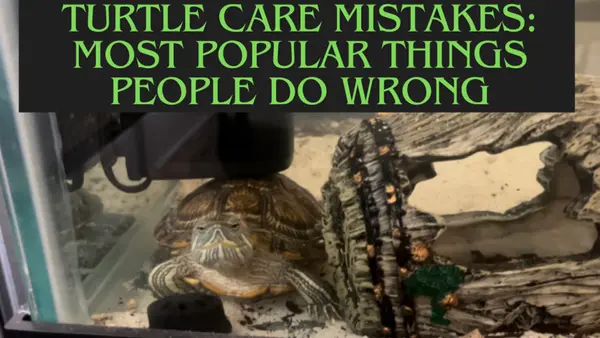
The most popular turtle care mistakes are incorrect water levels, drowning hazards, feeding outside water, overfeeding, and incorrect temperature.
 Food & nutrition
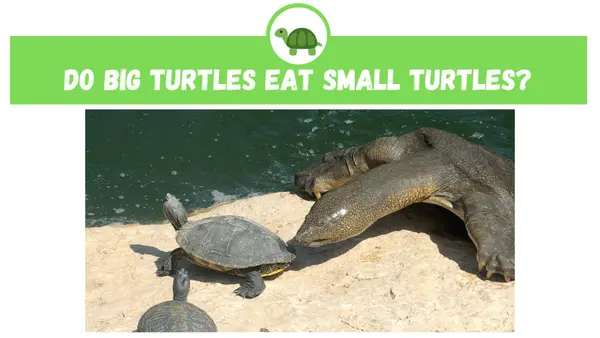
In both the wild and in captivity, big turtles eating smaller turtles is extremely rare. However, that doesn’t mean it never happens!
 Habitat & gear
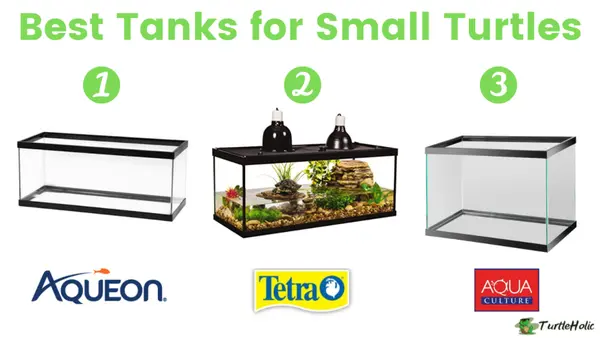
The best tanks for small turtles are the Aqueon Standard Tank, Tetra Aquatic Turtle Deluxe Kit, and the Aqua Culture 20 gallon tank.
 Food & nutrition
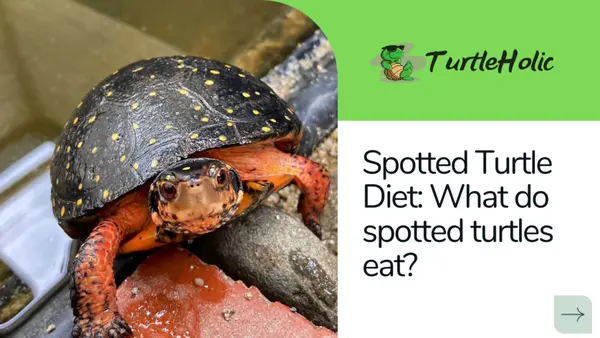
Spotted turtles are omnivores and feed on a wide range of insects, worms, aquatic plants, snails, and occasionally small fish.
 Species
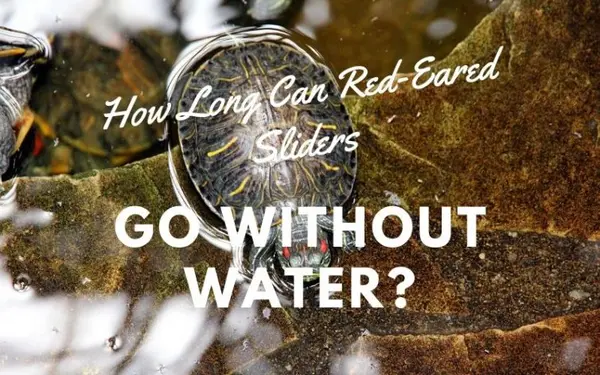
Red-eared sliders are an extremely popular species of pet turtle that are mostly aquatic. But, just how long can they go without water?
 Habitat & gear
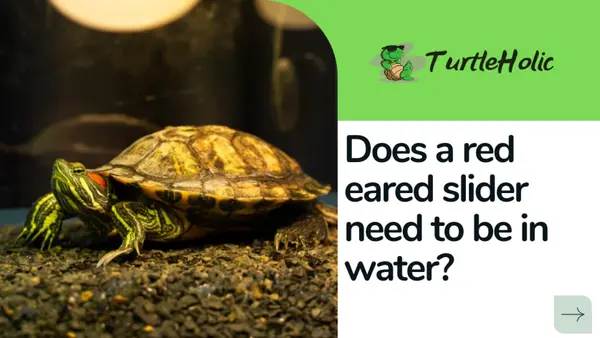
Yes, while they are a semi-aquatic species, red-eared sliders absolutely need access to water to swim in. If not, it can result in health problems.