 Health & behavior
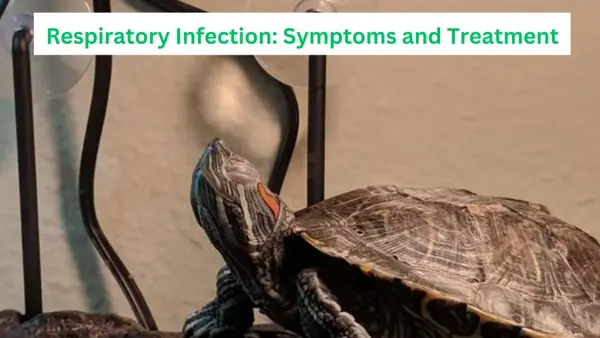
Turtle Respiratory Infection: Signs and Veterinary Care
Recognize concerning breathing and swimming changes in turtles, prepare for veterinary care, and avoid unsupported home-treatment regimens.

Articles from the TurtleHolic archive.
Health & behaviorRecognize concerning breathing and swimming changes in turtles, prepare for veterinary care, and avoid unsupported home-treatment regimens.
 Health & behavior
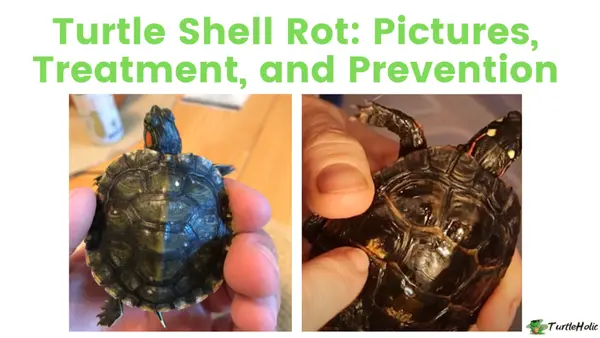
Learn which shell changes need assessment, why photographs cannot diagnose shell rot, and how clean water and basking support shell health.
 Health & behavior
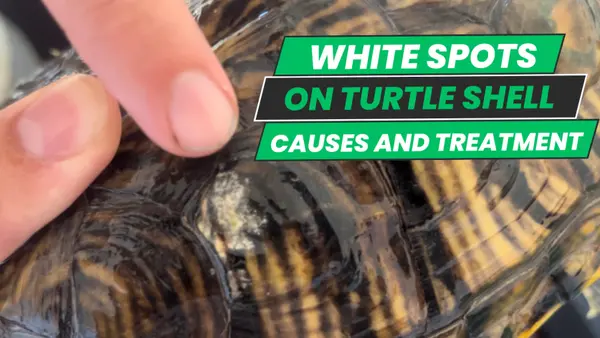
White shell areas can reflect different problems. Learn what to observe, how water conditioning differs from softening, and when to seek care.
 Health & behavior
Understand why a white shell needs context, what water hardness means, and why salt baths and topical treatments require veterinary direction.
 Health & behavior
Learn why unusual floating needs attention, which breathing changes to watch for, and when to contact a reptile veterinarian.
 Food & nutrition
In general, it is best to feed your turtle every day or every other day. However, the exact answer depends on the age of your turtle.
 Food & nutrition
Depending on the age of your red-eared slider, you will need to either feed them twice a day, once a day, or every other day.
 Turtle basics
Is your turtle losing color? Most of the time this is not only normal but natural. And sometimes it is the result of a few big, big mistakes!
 Habitat & gear
The best toys for a red-eared slider are the turtle skateboard, a floating turtle feeder, floating logs, roller balls, and bath toys.
 Habitat & gear
Your painted turtle tank will need to be the right size and include a basking platform, basking light, heater, filter, and ideally a substrate.