 Habitat & gear
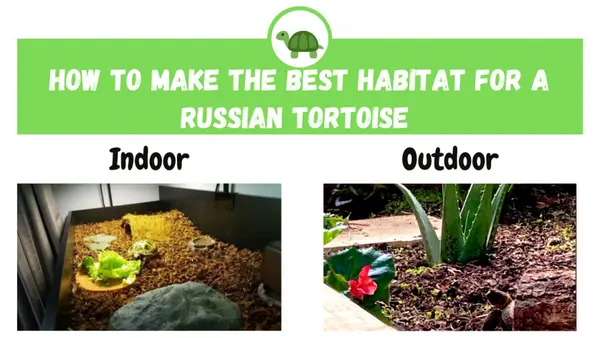
How To Make The Best Habitat For a Russian Tortoise
The biggest difference between an indoor and outdoor enclosure for a Russian Tortoise is size. Also, indoor habitats will need a basking light.
Explore TurtleHolic articles on russian tortoises, including care, food, habitats, and life beneath the shell.
Habitat & gearThe biggest difference between an indoor and outdoor enclosure for a Russian Tortoise is size. Also, indoor habitats will need a basking light.
 Habitat & gear
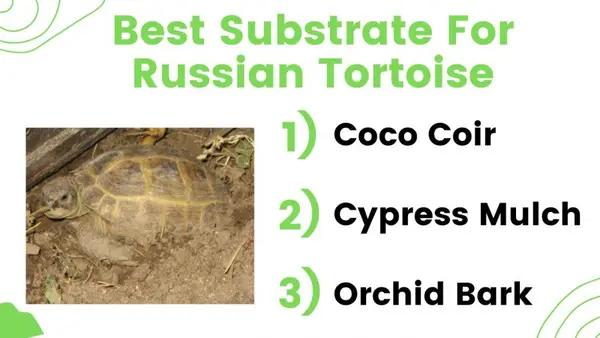
The best substrate for Russian Tortoises includes Coco Coir, Orchid Bark, and Cypress Mulch. Generally, for little Russian Tortoises, the Coco Coir works the best.
 Food & nutrition
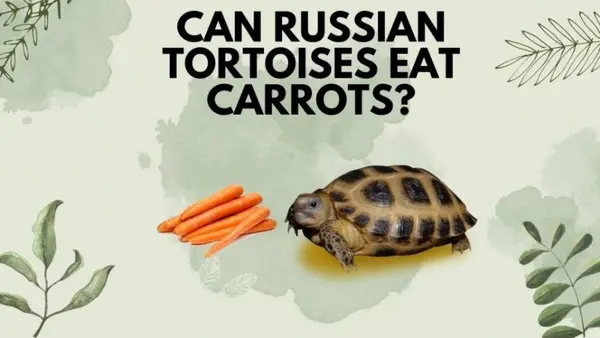
Yes, Russian tortoises can eat carrots. However, feeding your Russian tortoise carrots every day could lead to health issues.
 Species
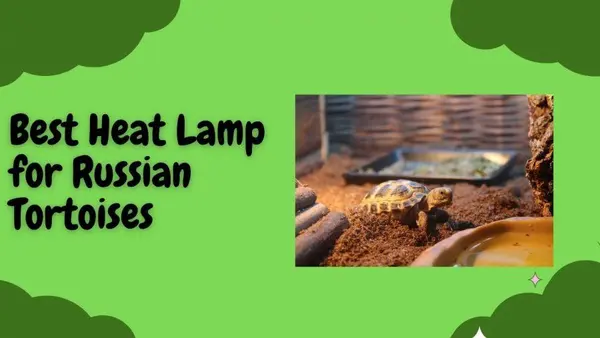
The best heat lamp for Russian Tortoises is the AXNAU Reptile Heat Lamp. It emits both UVA and UVB light and is very affordable.
 Health & behavior
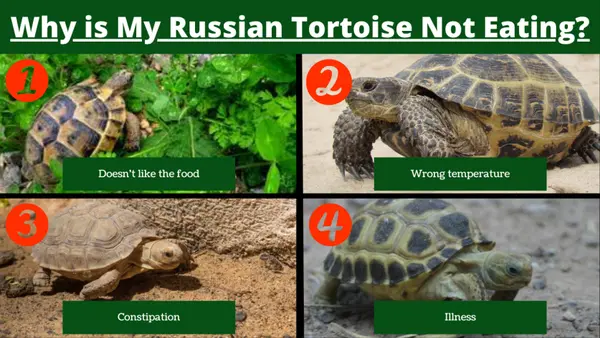
The main reasons your Russian tortoise is not eating is because they dislike their food, they are too cold, or they are constipated. They might also have a medical condition.
 Food & nutrition
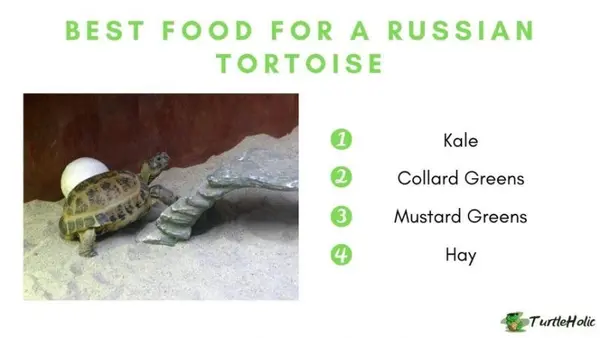
As they are herbivores, the best food for Russian tortoises are leafy vegetables, such as kale, collard greens, and mustard greens.
 Species
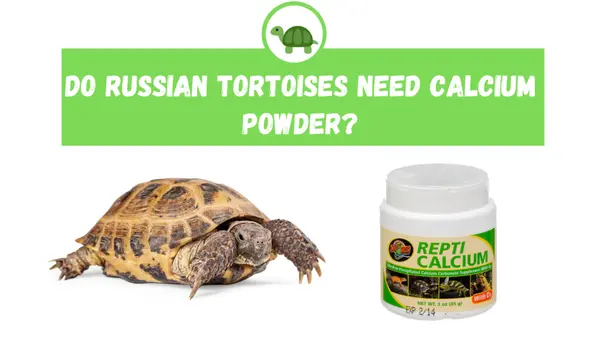
While Russian tortoises certainly need calcium in their diet, there are many ways to provide it to them besides just calcium powder.