A good turtle-sitting plan tells someone what normal looks like, exactly what to do, and who to call when something changes. “Feed the turtle while I’m away” leaves too much to guess.
This checklist is designed for an aquatic turtle. Adapt it to the individual animal and its established care plan. Box turtles and tortoises need different enclosure instructions, so don’t hand their sitter an aquarium routine and expect it to fit.
Show the routine before you leave
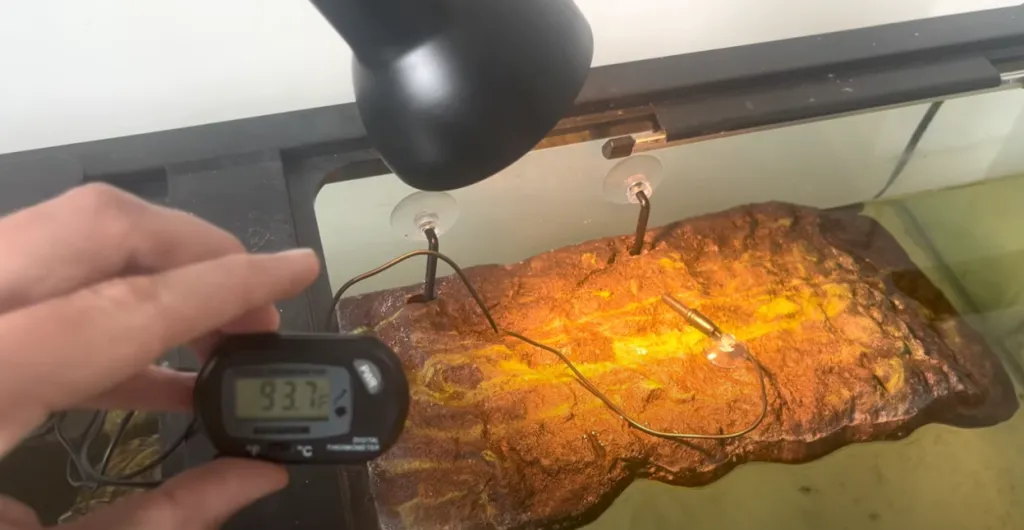
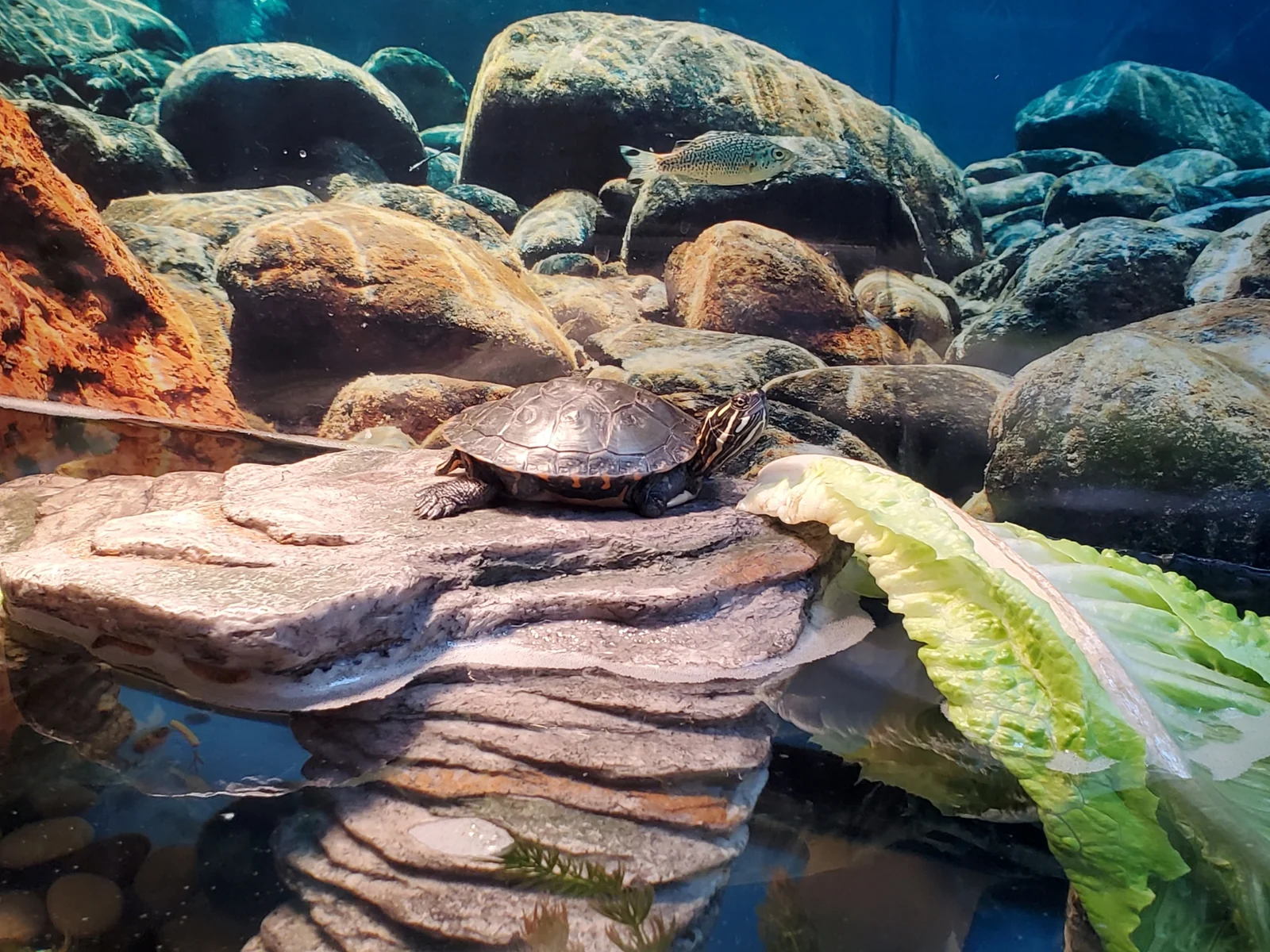
Ask the sitter to do a practice visit while you are there. Show them where to find the turtle, how to read the thermometers, what normal filter flow looks like and how to tell that the basking area is accessible. Let them try the tasks rather than simply watching you.
Label the relevant switches and keep the equipment manuals together. Photograph the usual setup and readings for reference. A picture of the normal water level can be particularly useful when someone is unfamiliar with the tank.
Plan visits around the animal’s needs. An automatic feeder does not notice a stopped filter, a displaced ramp or an unwell turtle. A survival estimate for how long turtles can go without food is not a care plan for a holiday.
Write the feeding instructions so there is no guesswork
List the exact food, portion and dates. Pre-portion meals where practical, with clear storage instructions. If there are days without a meal in the animal’s usual plan, write that down too. “A pinch” or “a few pellets” is ambiguous when two people picture different amounts.
Tell the sitter what to do with leftovers and whom to contact if food is refused. Do not leave an instruction to keep offering different treats until the turtle eats. If the turtle has special dietary needs, have its care plan settled before you travel.
The daily check
- Find and observe the turtle. Compare its appearance and activity with the normal behavior you described. Avoid unnecessary handling.
- Read the temperatures. Use the written acceptable ranges for this animal and these measuring points. Do not invent a new target from a generic internet chart.
- Check the equipment. Confirm filter flow, scheduled lights, water level, secure hoses and accessible basking space.
- Follow the meal plan. Offer only the food scheduled and deal with leftovers as demonstrated.
- Record the visit. Note appetite, readings, work done and anything unusual. Send the agreed update or photograph.
Use the same short record each day. “Filter working; meal eaten; water 25°C” is much more informative than “all good”—but the number here is only an example, not a temperature instruction for your turtle.
Decide what maintenance the sitter will do
For a longer absence, arrange water testing and routine maintenance with someone who can do it safely. Demonstrate the exact test kit and water preparation. Leave dedicated tools, readable instructions and the correct conditioner.
Do not use the day before a trip to install unfamiliar equipment or completely replace biological filter media. If a necessary change has been made, allow time to verify it and adjust the care plan. Leave instructions that say when to call rather than expecting the sitter to redesign the setup.
My cleaning guide is a reference, but your sitter still needs a demonstration of your aquarium and equipment. If the job is beyond their experience, arrange an experienced keeper or professional service.
Write down when to call
| Situation | Instruction to leave |
|---|---|
| Filter stops, a hose leaks or a fixture becomes unsafe | Contact the owner or named backup promptly. Follow only the equipment-safety steps demonstrated in advance; do not improvise repairs. |
| A reading is outside the written range | Confirm the reading safely, report the value and time, and follow the agreed response. Do not turn up heat blindly. |
| Breathing difficulty, serious injury, trouble reaching air or other urgent illness | Contact the reptile veterinarian or emergency clinic promptly. Do not wait for a message reply if urgent help is needed. |
| A missed meal or changed behavior | Record and report it. The response depends on the animal’s age, health and other signs; do not set a universal waiting period. |
Confirm that the clinic sees reptiles, record its hours and after-hours arrangements, and discuss authorization for care and payment. If the turtle takes medication, have the veterinarian’s exact instructions and make sure the sitter can carry them out. This checklist does not supply medication doses.
Keep the household routine safe
Show the sitter where habitat equipment can be cleaned and where it must not go. Wash hands after contact, keep turtle supplies away from food-preparation areas, and keep other pets and young children out of the job. CDC’s reptile guidance explains these precautions.
Never put a turtle in a sealed container or direct sun as a quick solution to an equipment problem. If a temporary enclosure may be needed, prepare suitable instructions and equipment beforehand with qualified advice.
Fill out the handover sheet
The printable sitter handover sheet accompanying this guide has spaces for the animal, visit schedule, meals, temperature ranges, equipment, maintenance, contacts and a visit log. Fill it in for your turtle and put a copy beside the supplies.
Give the sitter a backup person who can help if you are unreachable. Before leaving, ask them to explain the plan back to you: the next meal, the normal readings, the equipment check and whom they would call. Anything unclear at that point is much easier to fix while you are still home.